
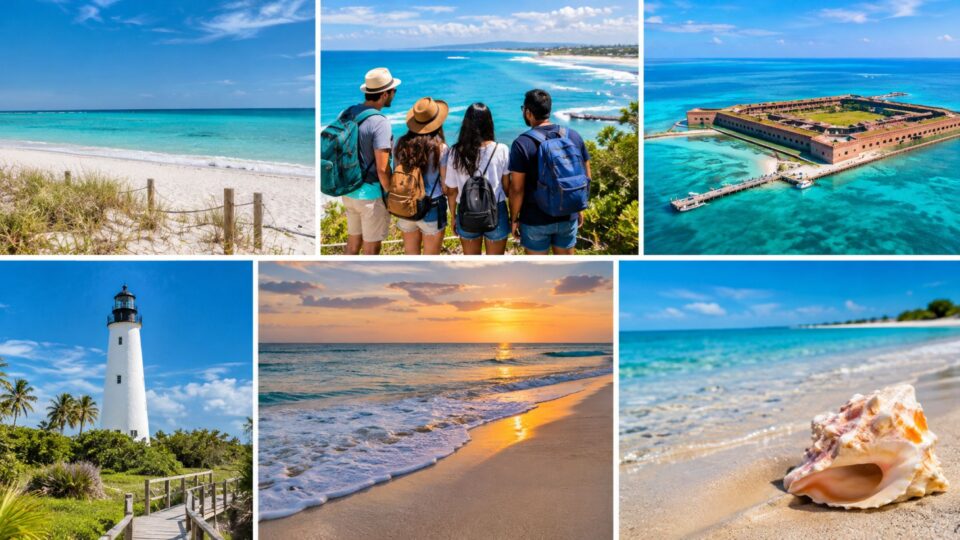
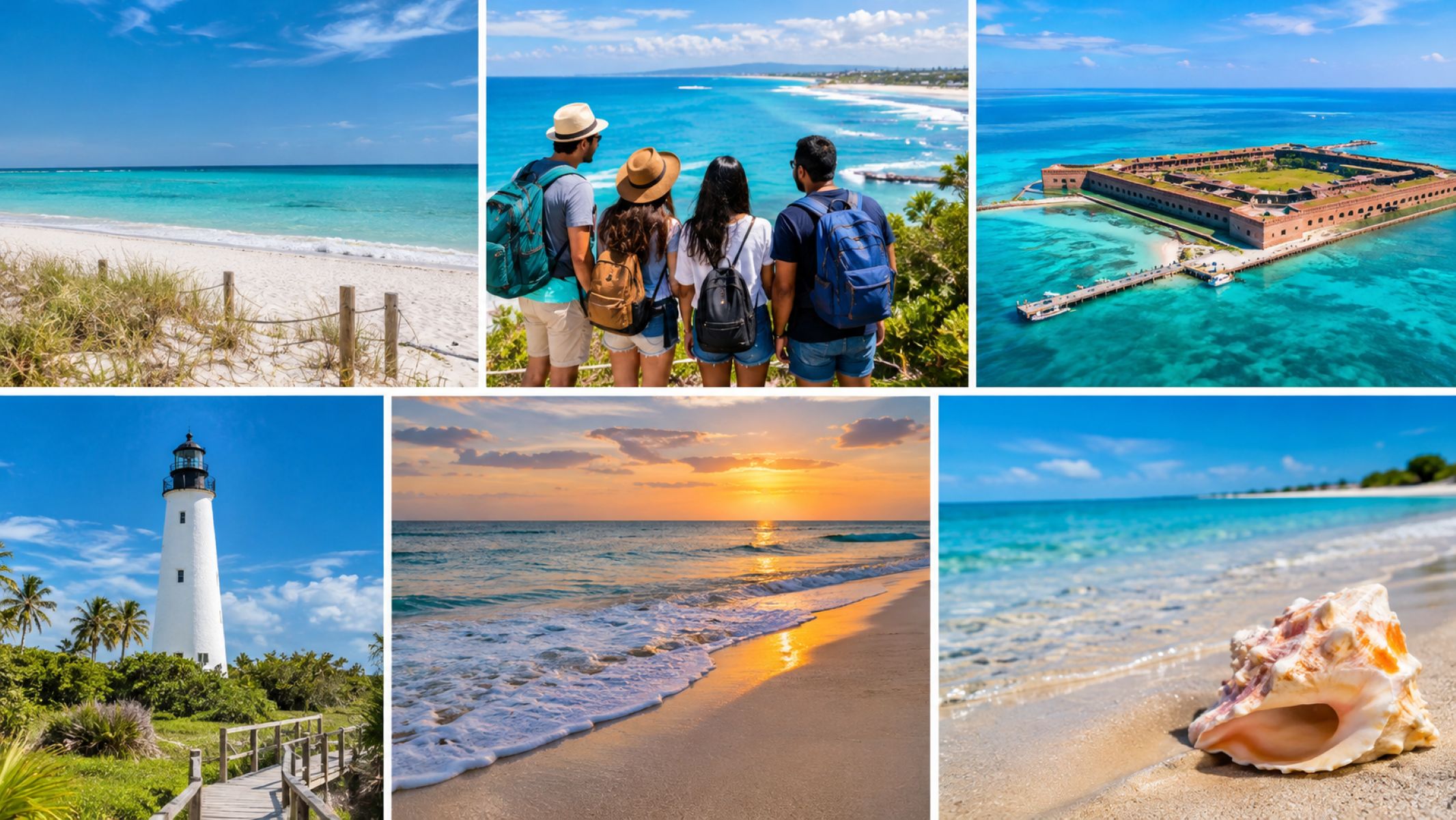
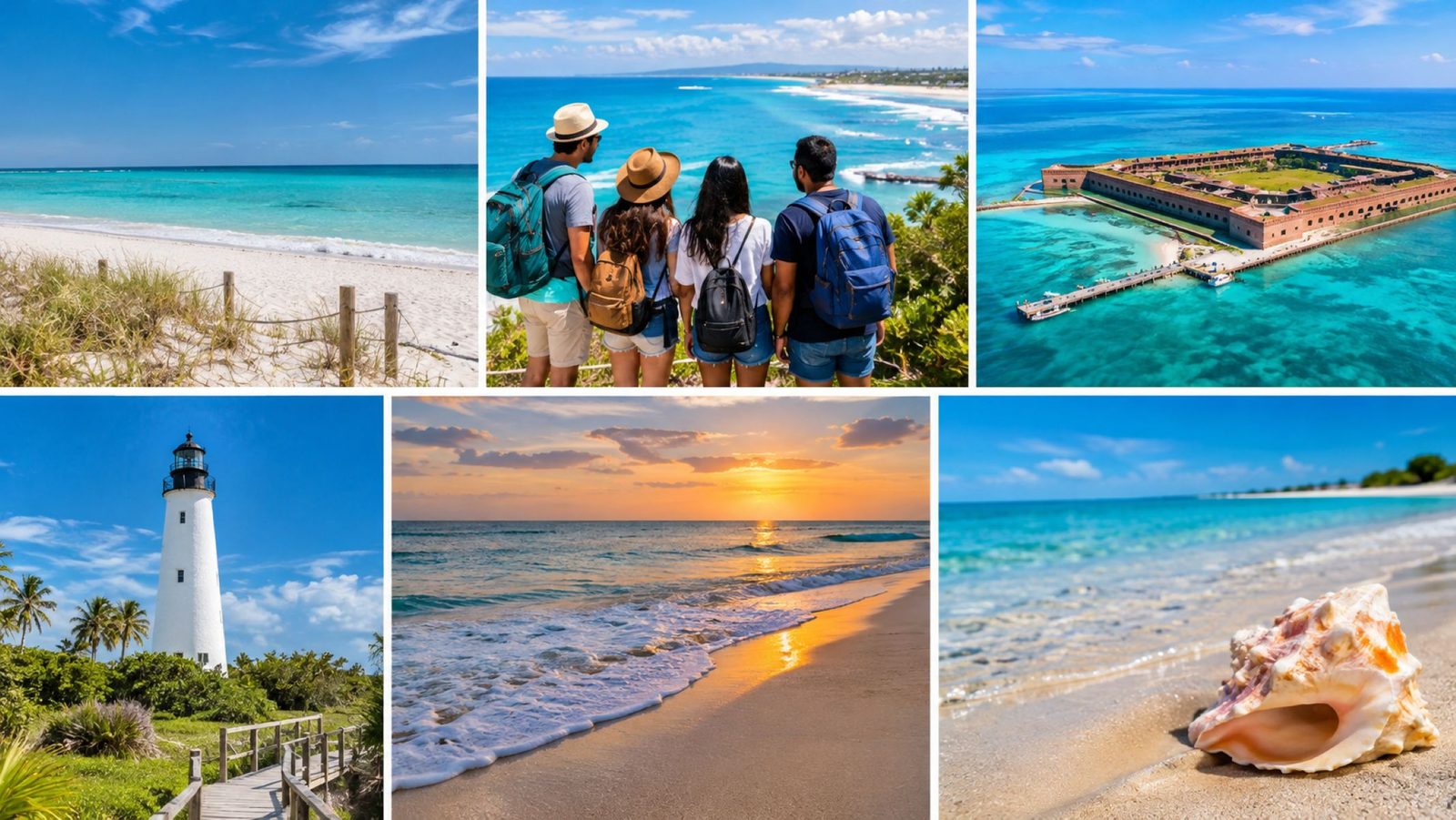
Mexico joins Colombia, Canada and Brazil among Florida’s important international tourism source markets, connecting travellers with opportunities to explore the state’s secluded beaches, pristine shores and island escapes. Beyond its established resort destinations, Florida offers protected coastlines, remote national parks, ferry-access islands and smaller seaside communities. From the white sands of St. George Island to the marine landscapes of Dry Tortugas, these destinations support wildlife tourism, outdoor recreation and coastal holidays. Their appeal extends across international travel markets, while air connectivity, local transport, protected-area access and accommodation availability influence how visitors experience Florida’s less-developed coastal destinations.
Florida Tourism 2026: International Source Markets Strengthen the Importance of Coastal Travel
Florida’s international tourism market combines established North American demand with substantial visitor flows from Latin America. Mexico, Colombia, Canada and Brazil all feature among the state’s leading international countries of origin, although visitor volumes differ significantly. According to VISIT FLORIDA Research, Florida welcomed approximately 143.3 million visitors in 2025, including 12.5 million visitors from Canada and overseas markets. Preliminary figures for the first quarter of 2026 recorded 39.88 million arrivals, demonstrating the scale of tourism activity entering the year. These figures provide a foundation for understanding coastal travel opportunities, but do not measure visitation specifically to secluded beaches.
- Canada was Florida’s largest international source market in 2025.
- Brazil ranked second internationally, followed by the United Kingdom.
- Colombia and Mexico were also among the five largest international countries of origin.
- Florida’s first-quarter overseas visitors increased by 8.5% year on year in 2026.
- Beach and waterfront recreation featured among the most popular activities for domestic visitors in 2025.
Florida’s Leading International Source Markets
| Country | 2025 visitor estimate | Relevance to Florida travel |
|---|---|---|
| Canada | 3.2 million | Largest international visitor market |
| Brazil | 1.3 million | Largest Latin American visitor market |
| United Kingdom | 1.2 million | Major European visitor market |
| Colombia | 655,000 | Important South American visitor market |
| Mexico | 613,000 | Important North American visitor market |
Florida’s Best Secluded Beaches: From Forgotten Coast Landscapes to Remote Island Retreats
Florida’s quieter beaches offer a different coastal experience from concentrated hotel districts and heavily developed seafronts. The Forgotten Coast in northwest Florida includes St. George Island, Cape San Blas and Mexico Beach, where dunes, broad sandy shores and outdoor activities shape the visitor experience. Farther south, Caladesi Island and Don Pedro Island provide barrier-island environments with more limited access. Along the Atlantic, Canaveral National Seashore protects natural coastal habitats, while Dry Tortugas combines marine recreation with historic exploration. Travellers can select destinations according to preferred activities, transport requirements and available facilities rather than assuming every secluded location offers the same services.
- St. George Island offers extensive white-sand beaches and designated recreation areas.
- Caladesi Island combines island scenery with ferry-based visitor access.
- Canaveral National Seashore supports walking, beach recreation and nature observation.
- Dry Tortugas provides marine exploration and visits to Fort Jefferson.
- Gasparilla Island connects beach activities with lighthouse heritage and recreational fishing.
Secluded Florida Beaches and Their Tourism Attractions
| Destination | Coastal region | Main visitor appeal |
|---|---|---|
| St. George Island State Park | Northwest Florida | Nine miles of protected beaches |
| Navarre Beach | Florida Panhandle | Fishing pier and sandy shoreline |
| Caladesi Island | Central Gulf Coast | Ferry excursions and natural beaches |
| Canaveral National Seashore | Atlantic Coast | Protected coast and wildlife habitats |
| Dry Tortugas | Florida Keys region | Snorkelling, Fort Jefferson and island excursions |
| Don Pedro Island | Southwest Florida | Boat-access beach and nature recreation |
| Gasparilla Island | Southwest Florida | Lighthouse, shelling and fishing |
Mexico to Florida Travel: Exploring Island Beaches, Coastal Towns and Outdoor Adventures
Mexico occupies an important position among Florida’s international tourism source markets, with an estimated 613,000 Mexican visitors recorded in 2025. For travellers arriving from Mexico, Florida offers options beyond its established urban attractions, including Gulf Coast island excursions, natural beaches and protected recreation areas. Caladesi Island near Dunedin offers a ferry-based visit, while Boca Grande combines quieter beaches with historic maritime surroundings. These experiences require attention to flight arrival points, onward road journeys and park admission arrangements. Official statistics establish Mexico’s contribution to Florida tourism, but do not indicate how many Mexican visitors travelled to individual secluded beaches.
- Caladesi Island State Park can be reached using the ferry service departing from Honeymoon Island State Park.
- Boca Grande offers access to Gasparilla Island State Park and the historic lighthouse.
- Santa Rosa Beach provides shopping, dining and white-sand coastal recreation.
- Mexico Beach is a Florida coastal town, not a destination in the country of Mexico.
- Travellers should verify current airline itineraries and ground transfers before arranging island excursions.
Florida Beach Experiences Relevant to Mexico’s Travel Market
| Destination | Main attraction | Travel planning |
|---|---|---|
| Caladesi Island | Beaches, paddling and natural landscapes | Ferry or private watercraft |
| Gasparilla Island | Lighthouse museum, swimming and shelling | Mainland road access via toll causeway |
| Santa Rosa Beach | Coastal recreation, galleries and dining | Road transfer from regional airports |
| Mexico Beach, Florida | Quiet shoreline and small-town facilities | Road access along the Panhandle |
Colombia to Florida Tourism: Discovering Natural Beaches Beyond the Major Visitor Centres
Colombia is among Florida’s leading overseas tourism source markets, with approximately 655,000 visitors recorded in 2025. The state’s coastal geography offers Colombian travellers opportunities to combine conventional urban holidays with national parks, outdoor recreation and smaller seaside destinations. Canaveral National Seashore provides an Atlantic Coast experience characterised by natural beaches and protected environments. The Florida Keys offer access to Dry Tortugas National Park, whose historic fortifications and marine setting distinguish it from road-accessible beaches. However, these destinations require different levels of logistical preparation. Public transport availability, park opening hours and advance ferry reservations can determine which excursions are practical within a planned holiday
- Canaveral National Seashore provides access through the Apollo Beach and Playalinda Beach districts.
- Dry Tortugas can be visited by authorised ferry, seaplane, private vessel or permitted charter.
- Fort Jefferson introduces a historical attraction alongside swimming and snorkelling.
- Navarre Beach offers a fishing pier and scenic views across the Gulf coastline.
- Advance transport planning is particularly important for remote parks and islands.
Coastal Travel Options for Visitors from Colombia
| Destination | Principal activity | Access considerations |
|---|---|---|
| Canaveral National Seashore | Beach recreation and wildlife observation | Road transport generally necessary |
| Dry Tortugas | Snorkelling and historical exploration | Departure from Key West by sea or air |
| Navarre Beach | Pier visits, fishing and beach relaxation | Road transfer |
| St. George Island | Nature recreation and beach walks | Road transfer to the island |
Canada to Florida Tourism: Connecting Established Visitor Demand With Peaceful Gulf Coast Escapes
Canada remains Florida’s largest international tourism source market, making Canadian visitor patterns significant for the state’s wider travel industry. VISIT FLORIDA revised its 2025 Canadian visitation estimate to approximately 3.17 million after incorporating additional travel information. Preliminary figures recorded around 1.05 million Canadian visitors during the first quarter of 2026. Florida’s secluded beaches offer opportunities for coastal holidays extending beyond major resort districts, particularly around Dunedin, Boca Grande and the Forgotten Coast. Canadian travellers can explore waterfront trails, island environments and smaller seaside communities. However, statewide visitor numbers do not establish specific Canadian demand for these individual destinations.
- Canada’s large established source-market presence makes it important to Florida’s international tourism performance.
- Caladesi Island offers a structured day excursion using an established passenger ferry.
- Gasparilla Island State Park combines swimming, cycling, fishing and a historic lighthouse.
- Don Pedro Island State Park offers natural coastal scenery, although its island facilities have access restrictions.
- Canadian visitors should account for onward transport, accommodation requirements and the different facilities available at individual beaches.
Florida Coastal Destinations for Canadian Holiday Planning
| Destination | Principal attraction | Visitor experience |
|---|---|---|
| Caladesi Island | Protected island beach | Ferry excursions and coastal recreation |
| Gasparilla Island | Historic lighthouse and Gulf beaches | Heritage and outdoor activities |
| Don Pedro Island | Barrier-island environment | Nature observation and quieter beach visits |
| St. George Island | Extensive protected beaches | Camping, walking and fishing |
Brazil to Florida Tourism: Connecting South America’s Largest Florida Market With Island Adventures
Brazil represents Florida’s largest Latin American source market, recording approximately 1.3 million visits in 2025. The country’s importance reflects the scale of established travel between Brazil and Florida, although available statewide figures do not identify which beaches Brazilian travellers visit most frequently. Florida’s natural coastal destinations provide additional itinerary possibilities, including Canaveral National Seashore, Dry Tortugas and the western Gulf Coast islands. Travellers interested in marine wildlife, snorkelling, historical attractions and outdoor recreation can combine these experiences with established Florida holiday itineraries. The accessibility of individual destinations depends on transport arrangements, national park regulations and the time available for travel beyond major international arrival points.
- Dry Tortugas National Park combines remote beaches, reefs and Fort Jefferson.
- Canaveral National Seashore offers natural Atlantic beaches accessible by road.
- St. George Island State Park provides hiking, fishing, camping and coastline exploration.
- Santa Rosa Beach combines outdoor leisure with restaurants, boutiques and galleries.
- Travellers can incorporate coastal excursions into wider Florida itineraries, subject to journey times and available services.
Florida’s Island and Beach Attractions for Brazilian Travel Itineraries
| Destination | Visitor attraction | Tourism category |
|---|---|---|
| Dry Tortugas | Fort Jefferson and marine recreation | National park and heritage tourism |
| Canaveral National Seashore | Natural shoreline and coastal habitats | Nature-based tourism |
| Santa Rosa Beach | White-sand coast, dining and shopping | Beach and leisure tourism |
| St. George Island | Sand dunes, camping and outdoor recreation | Coastal adventure tourism |
Florida Secluded Beaches 2026: Official Park Access, Ferry Prices and Important Travel Updates
Florida’s protected beaches require different forms of access, making official park information essential to holiday planning in 2026. Caladesi Island remains accessible through its passenger ferry, although the park has published marina restrictions. Don Pedro Island State Park has also announced limitations affecting its island dock and facilities. Meanwhile, T.H. Stone Memorial St. Joseph Peninsula State Park published a temporary closure notice effective 7 October 2026. These changes matter because a destination’s natural attractions may remain well known even when parts of its infrastructure are unavailable. Visitors should distinguish between general destination descriptions and current operating arrangements before purchasing transport or booking accommodation.
- Caladesi Island: The official ferry fare is listed as $20 per adult and $10 for children aged six to twelve.
- Dry Tortugas: Standard national park admission is $15 per person aged 16 or over, with admission included in concession ferry tickets.
- Canaveral National Seashore: The published standard private vehicle entrance fee is $25 for seven consecutive days.
- Don Pedro Island: The state park reports that its island dock and facilities are unavailable under its March 2026 notice.
- Cape San Blas: T.H. Stone Memorial St. Joseph Peninsula State Park has a closure notice effective 7 October 2026, requiring a fresh status check before travel.
Official Florida Beach Access and Admission Information
| Protected destination | Published charge | Latest relevant access information |
|---|---|---|
| Caladesi Island | Ferry $20 per adult | Some marina docks restricted; no overnight marina accommodation |
| Dry Tortugas | $15 per eligible visitor | Ferry, seaplane or authorised vessel access |
| Canaveral National Seashore | $25 per private vehicle | Apollo and Playalinda district entry points |
| Gasparilla Island | $3 per vehicle | Electronic payment arrangements updated October 2026 |
| Don Pedro Island | $3 per vehicle for applicable park access | Island dock and facilities unavailable |
| T.H. Stone Memorial St. Joseph Peninsula | Normally $6 per vehicle | Temporary closure notice effective October 202 |
Florida Air Travel and Coastal Tourism: How International Visitors Can Reach Lesser-Known Beach Destinations
International travel to Florida depends on more than the availability of flights into major gateways. Coastal destinations may require road transfers, ferry journeys or separate reservations with authorised transport operators. VISIT FLORIDA recorded approximately 29.9 million passenger enplanements across the state’s commercial airports during the first quarter of 2026, with Orlando, Miami and Fort Lauderdale recording the highest volumes. These figures measure airport passenger departures rather than international tourist arrivals. For quieter coastal destinations, regional access is often decisive. Canaveral National Seashore, for example, is generally reached by private vehicle, while Dry Tortugas requires onward travel from Key West by boat or seaplane.
- International visitors can use Florida’s main airports as arrival gateways before continuing towards coastal destinations.
- Orlando is a potential gateway for road-based itineraries incorporating the Space Coast.
- Miami can serve as an arrival point for onward travel towards the Florida Keys.
- Northwest Florida destinations require additional regional airport or ground-transport planning.
- Ferry reservations, journey distances, weather conditions and park regulations should be checked separately from international flight bookings.
Florida Airports and Possible Coastal Travel Connections
| Airport or gateway | Potential coastal itinerary | Onward transport |
|---|---|---|
| Orlando International Airport | Canaveral National Seashore | Road transfer |
| Daytona Beach International Airport | Apollo Beach district | Road transfer |
| Miami International Airport | Florida Keys and Key West | Road transfer or connecting transport |
| Northwest Florida Beaches International Airport | Mexico Beach and Panama City Beach area | Road transfer |
| Pensacola International Airport | Navarre Beach | Road transfer |
| Key West | Dry Tortugas National Park | Authorised ferry or seaplane |
Florida Tourism Impact: How Secluded Beaches Support Nature Travel, Local Businesses and Longer Coastal Itineraries
Florida’s protected islands and quieter beaches contribute to a diversified tourism experience by combining recreation, natural environments and local coastal services. Beach visitors may require accommodation, road transport, boat operators, fishing equipment, guided excursions and restaurants, creating potential spending opportunities across several sectors. Statewide visitor research identifies beach and waterfront activities as a major component of Florida tourism, although it does not isolate economic benefits generated by the secluded destinations discussed here. Publicly managed beaches also operate within conservation requirements, including wildlife protection and visitor access rules. Tourism planning must therefore consider both the visitor experience and the capacity of protected coastal areas.
- Coastal activities help diversify Florida’s tourism product beyond theme parks and urban attractions.
- Ferry operators and charter services provide transport connections to destinations without conventional road access.
- Smaller coastal communities can benefit from visitor spending on accommodation, dining and recreation.
- Protected landscapes offer wildlife observation, paddling, fishing and educational activities.
- Conservation restrictions and temporary closures can limit access, making accurate visitor information commercially important.
Potential Tourism Benefits and Practical Constraints
| Tourism segment | Relevant destinations | Tourism opportunity | Important constraint |
|---|---|---|---|
| Nature-based travel | Canaveral, Don Pedro | Wildlife watching and protected landscapes | Habitat protections |
| Marine excursions | Dry Tortugas, Caladesi | Ferry services, snorkelling and boating | Vessel capacity and weather |
| Coastal accommodation | Santa Rosa Beach, Mexico Beach | Overnight stays and local spending | Seasonal availability |
| Recreational fishing | Navarre, Gasparilla | Fishing activities and supporting services | Fishing regulations |
| Outdoor recreation | St. George Island, Cape San Blas | Camping, cycling and hiking | Park conditions and closures |
Conclusion
Mexico joins Colombia, Canada and Brazil among the international markets that connect Florida with travellers interested in its diverse coastal attractions. From secluded beaches and pristine shores to protected islands and remote national parks, the state provides opportunities for relaxation, recreation and nature exploration. St. George Island, Caladesi, Canaveral and Dry Tortugas illustrate the variety available beyond established resort centres. Their tourism value depends on practical access, conservation and reliable visitor information. Florida’s island escapes therefore complement its broader international tourism offering, giving travellers from these countries additional ways to experience the state’s coastal environments while supporting a more geographically varied holiday itinerary.
The post Mexico Joins Colombia and Others as Florida Travel Guide Reveals Secluded Beaches, Natural Shores and Island Adventures appeared first on Travel And Tour World.
