
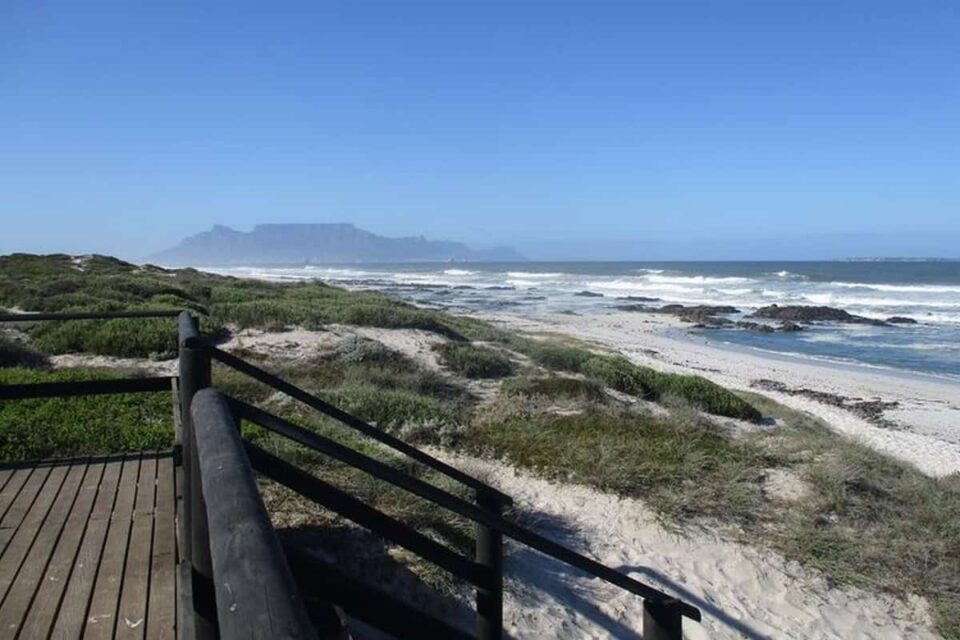
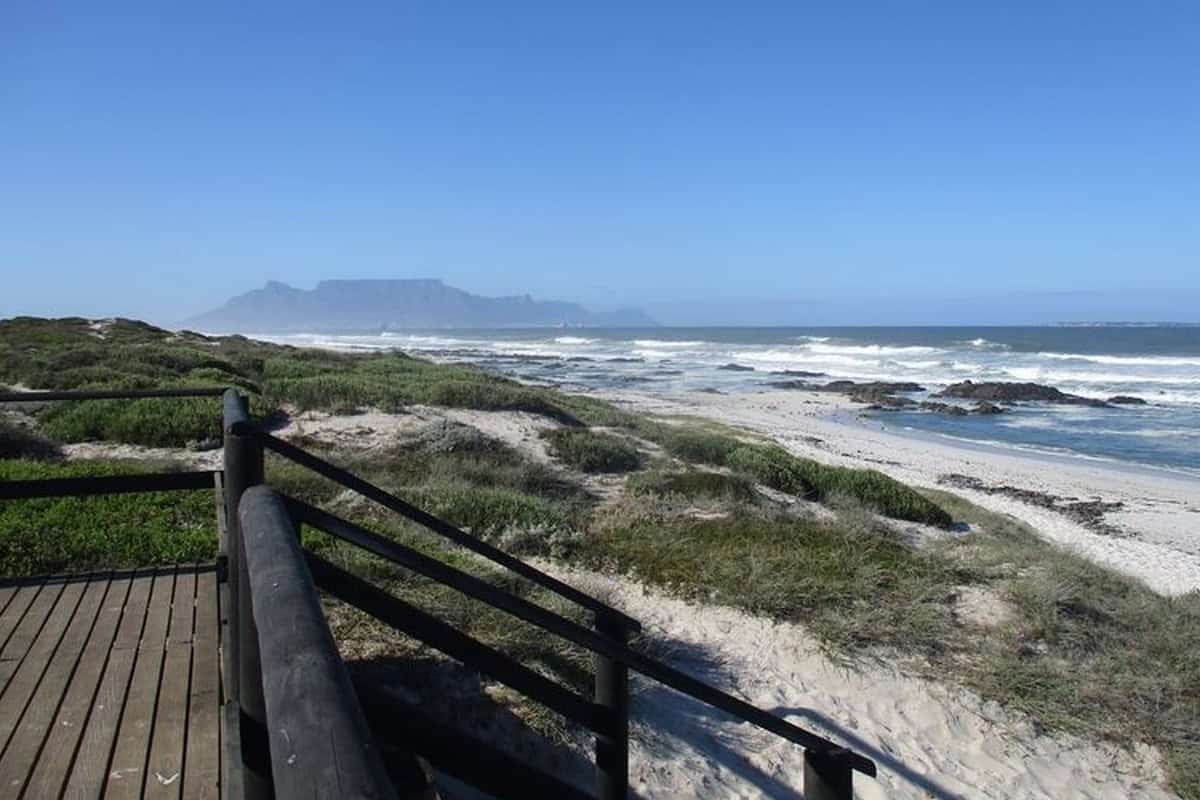
South Africa’s City of Cape Town has secured a seventh Green Coast recognition for Blaauwberg Nature Reserve following an awards ceremony held in Hermanus on 8 October 2026. The recognition, confirmed by the City on 9 October, acknowledges the reserve’s continued environmental management, biodiversity protection and sustainable tourism practices. Covering approximately 2,000 hectares of coastal landscape, including seven kilometres of shoreline, Blaauwberg is strengthening its position as an important nature-based attraction through conservation programmes, environmental education and new accessibility initiatives.
Cape Town’s Seventh Green Coast Recognition Strengthens South Africa’s Sustainable Tourism Offering
Blaauwberg Nature Reserve has earned Green Coast Status for the seventh time, reinforcing Cape Town‘s efforts to protect its natural coastline while supporting responsible visitor experiences. The Wildlife and Environment Society of South Africa, known as WESSA, presented the recognition to the City’s Environmental Management Department during the annual Blue Flag and Green Coast Awards at Grotto Beach in Hermanus.
The recognition forms part of the 2026–2027 coastal awards programme. It highlights the importance of environmental protection, local participation and education in managing coastal attractions.
Unlike conventional beach tourism, which often centres on swimming, restaurants and recreation, the Green Coast programme focuses on protecting ecologically sensitive locations while allowing suitable nature-based activities.
For South Africa’s tourism industry, the award provides another officially recognised conservation destination that can support educational visits, guided nature experiences and low-impact coastal excursions.
What Green Coast Status Means for Nature-Based Tourism in South Africa
WESSA developed the Green Coast programme to recognise coastal locations that combine biodiversity conservation with responsible public use. Sites must meet standardised environmental management criteria and demonstrate protection of sensitive habitats, threatened species or cultural heritage.
The programme also encourages community involvement, environmental monitoring and visitor education.
This makes Green Coast different from the internationally recognised Blue Flag programme. Blue Flag covers beaches, marinas and tourism boats that meet applicable standards, including water quality, environmental management, information and safety.
Green Coast primarily recognises natural coastal environments where conservation is a central management priority.
The distinction matters to travellers. A Green Coast award does not automatically mean that a site has lifeguarded swimming areas, certified bathing-water quality or unrestricted recreational access.
| Recognition feature | Green Coast | Blue Flag |
|---|---|---|
| Main focus | Natural coastal conservation and responsible tourism | Managed beaches, marinas and tourism boats |
| Environmental priority | Sensitive habitats, species and cultural heritage | Environmental management, water quality and other applicable standards |
| Tourism relevance | Ecotourism, nature experiences and education | Beach recreation and recognised coastal visitor services |
| Community role | Local monitoring, education and stewardship | Community information, participation and environmental awareness |
| Visitor implication | Conservation-sensitive access and activities | Standards appropriate to each certified facility or operation |
The programmes therefore complement one another. Together, they support different forms of coastal tourism without treating every shoreline as a conventional recreational beach.
Blaauwberg’s Conservation Journey Began With South Africa’s First Green Coast Award in 2018
Blaauwberg Nature Reserve first received Green Coast Status on 14 September 2018. According to the City of Cape Town’s original announcement, it became the first South African coastal site to receive the recognition.
The initial programme centred on protecting the reserve’s coastline and promoting sustainable tourism and environmental education. Plans also identified the adjacent dune landscape as an important area for conservation-based visitor activity.
The seventh recognition in October 2026 demonstrates continued participation in a programme that requires sites to satisfy environmental criteria through recurring assessments.
WESSA’s Green Coast framework provides for annual renewal, including evaluation of site management and relevant conservation activity.
The 2026 recognition should therefore be understood as a renewed environmental award rather than the opening of a new attraction.
Its significance lies in the continued management of an established conservation destination.
Seven Kilometres of Protected Coastline Create an Important Biodiversity Tourism Asset
Blaauwberg Nature Reserve contains an environmentally important section of Cape Town’s Atlantic coastline. Its landscape brings together sandy beaches, rocky shores, dunes and vegetation communities that require careful protection.
The City’s October 2026 announcement describes an approximately 2,000-hectare coastal landscape, including seven kilometres of coastline. This area supports critically endangered vegetation.
Research undertaken by volunteers from the Custodians of Rare and Endangered Wildflowers programme has identified more than 200 plant species along the recognised Green Coast section.
These findings provide an educational resource for visitors interested in local ecology and the relationship between coastal habitats and biodiversity.
The reserve’s value lies not simply in the number of plants recorded but in the survival of sensitive habitats within a major urban tourism destination.
For tour operators, the vegetation offers opportunities to explain habitat protection, seasonal plant life and environmental pressures. Such experiences must be carefully managed to avoid damaging the ecosystems that attract visitors.
Why the Official Reserve Area Figures Need Careful Interpretation
The City’s current visitor facility listing gives the reserve size as 1,445 hectares, while its October 2026 award announcement refers to approximately 2,000 hectares.
Both figures appear in official municipal publications. The larger description also appeared in the City’s original 2018 Green Coast announcement.
They should not be presented as interchangeable measurements without clarification of their respective boundaries and reporting purposes.
For tourism reporting, the approximate 2,000-hectare figure can be attributed specifically to the latest Green Coast announcement, while 1,445 hectares remains the figure published on the municipal facility page.
This distinction matters when businesses prepare educational material or publish detailed information about the protected area.
South Africa’s First Braille Coastal Signage Opens a New Chapter for Inclusive Ecotourism
A particularly important development at Blaauwberg occurred before the latest award.
On 11 February 2026, the City of Cape Town and its conservation and accessibility partners introduced South Africa’s first Braille coastal environmental education signage at Eerste Steen. The official announcement followed on 12 February.
The installation was developed through cooperation involving WESSA, Blind SA, the National Council of and for Persons with Disabilities and other supporting organisations.
It enables blind and partially sighted visitors who read Braille to engage more independently with environmental information at the site.
The development places accessibility alongside conservation as part of the visitor experience.
Blaauwberg was selected for the initiative because of its position as South Africa’s first Green Coast site.
However, the existence of Braille signage does not establish that every trail, pathway, viewing platform or facility within the reserve is fully accessible.
Tour operators should confirm the accessibility of individual routes and services before marketing experiences to travellers with specific mobility or sensory requirements.
Environmental Education and Citizen Science Add Greater Value to Coastal Tourism
The Green Coast recognition also highlights environmental education as an important part of Blaauwberg’s tourism offering.
According to WESSA, the reserve hosts monthly beach clean-ups that provide opportunities to collect information about marine waste while encouraging local participation.
These activities can help explain how pollution affects the health of coastal environments.
The reserve also operates an environmental education centre at Eerste Steen.
According to the City of Cape Town, its programmes cover biodiversity, cultural heritage, rocky shores, sustainable harvesting, marine environments and the relationship between people and nature.
Educational activities include workshops, guided hikes, environmental events and practical conservation initiatives.
The centre lists weekday operating hours from 07:30 to 16:00, with advance booking required for organised activities.
For school groups, educational tour specialists and responsible travel businesses, these services can support visits with a clear learning purpose rather than sightseeing alone.
Blaauwberg Offers Nature Experiences Beyond Cape Town’s Traditional Tourist Attractions
The reserve provides visitors with opportunities to experience coastal scenery, walking routes, natural habitats and educational activities within the wider Cape Town destination.
Blaauwberg Hill is especially notable for views towards Table Mountain and Robben Island, two internationally recognised World Heritage Sites.
The City also identifies hiking, walking, running, picnicking and educational programmes among the reserve’s activities.
Eerste Steen provides picnic facilities, while the municipal reserve listing includes pathways and a self-catering accommodation option at Blaauwberg Hill.
These facilities allow different types of visits, from short coastal stops to more structured nature experiences.
The reserve could therefore complement established city itineraries rather than replace them.
A carefully planned visit might combine coastal scenery, environmental interpretation and an understanding of Cape Town’s natural heritage.
The principal tourism benefit is product diversity: travellers can experience a less developed coastal landscape within reach of an internationally recognised urban destination.
South Africa’s Growing Green Coast Network Creates Wider Opportunities for Responsible Tourism
Blaauwberg’s latest recognition comes as South Africa expands its network of recognised coastal conservation locations.
According to WESSA’s official 2026–2027 awards information published by CapeNature on 9 October, 19 sites received Green Coast recognition.
The previous 2025–2026 programme listed 15 certified Green Coast sites.
The new total represents four more recognised sites than in the previous programme, although the figures alone do not establish how many individual sites entered or left the network.
The 2026–2027 awards also recognised 50 full Blue Flag beaches, seven tourism boats and five marinas, alongside 20 pilot beach sites.
These figures reveal the different types of coastal visitor assets supported through the national programme.
| Coastal tourism indicator | Official figure | Reporting period | Tourism significance |
|---|---|---|---|
| Green Coast sites recognised | 19 | 2026–2027 | Wider national network of conservation-led coastal locations |
| Green Coast sites previously certified | 15 | 2025–2026 | Baseline for comparing programme scale |
| Full Blue Flag beaches | 50 | 2026–2027 | Recognised managed beach destinations |
| Blue Flag pilot beach sites | 20 | 2026–2027 | Locations participating in the development pathway |
| Blue Flag tourism boats | 7 | 2026–2027 | Responsible marine tourism operations |
| Blue Flag marinas | 5 | 2026–2027 | Recognised recreational boating infrastructure |
For destination managers, these programmes provide a structure for encouraging responsible coastal tourism across locations with different environmental and recreational characteristics.
Official Tourism Data Show Why Conservation-Based Attractions Matter to South Africa’s Visitor Economy
Blaauwberg’s award arrives within a substantial domestic and international tourism market.
Statistics South Africa’s publication of 8 October 2026 provides updated national tourism indicators, including international visitor numbers through August.
South Africa recorded 1,005,286 overnight international visitors in August 2026, compared with 935,738 in August 2025. This represents an increase of 7.4%.
Domestic tourism also remains important.
The country’s domestic tourism survey recorded 33.5 million day trips and 26.2 million overnight trips in 2024.
These national figures demonstrate the scale of travel activity that supports destinations across South Africa. They do not measure visitors to Blaauwberg specifically.
| Tourism indicator | Verified figure | Reference year | Official institution |
|---|---|---|---|
| South Africa international overnight visitors | 1,005,286 | August 2026 | Statistics South Africa |
| Annual increase in international overnight visitors | 7.4% | August 2026 | Statistics South Africa |
| Domestic day trips | 33.5 million | 2024 | Statistics South Africa |
| Domestic overnight trips | 26.2 million | 2024 | Statistics South Africa |
| Tourism contribution to national GDP | 4.9% | 2024 | Statistics South Africa |
| Direct tourism employment nationally | 953,981 | 2024 | Statistics South Africa |
| Cape Town overnight visitors | 2.4 million | 2024 | City of Cape Town |
| Cape Town direct visitor expenditure | R24.5 billion | 2024 | City of Cape Town |
The City of Cape Town’s September 2025 tourism statement also reported that the 2024 visitor economy supported more than 106,000 jobs.
These figures underline the importance of a diverse tourism industry that includes nature reserves, cultural attractions, hospitality businesses and visitor services.
They do not establish how much revenue or employment Blaauwberg’s latest award has generated.
Original Industry Analysis: The Real Opportunity Is Better Tourism Management, Not Simply More Visitors
The commercial significance of Blaauwberg’s seventh recognition lies in its potential to improve the quality and diversity of Cape Town’s tourism products. A conservation award provides a credible point of distinction, but recognition alone does not establish higher visitor numbers, stronger revenues or increased bookings.
For inbound operators, the opportunity is to develop carefully managed excursions that connect natural heritage with meaningful education. Small-group botanical walks, conservation-focused visits and accessible interpretation could provide alternatives to conventional sightseeing, subject to reserve permissions and operational suitability.
The Braille initiative introduces another important consideration. Accessible tourism cannot be evaluated through a single installation. Customers need reliable information about paths, transport, facilities, staffing and the practical assistance available.
The reserve also illustrates how tourism quality and environmental protection can support one another. Higher footfall without appropriate controls could increase pressure on fragile dunes and vegetation. Better interpretation, visitor guidance and managed group sizes may create greater value without requiring unlimited growth in arrivals.
For destination managers, useful future performance measures would include participation in education programmes, conservation outcomes, visitor satisfaction, accessibility improvements and local economic participation.
The award establishes recognised management credentials. Its long-term tourism value will depend on how effectively those credentials are translated into responsible visitor experiences.
Visitor Access, Seasonal Opening Hours and Booking Requirements Remain Important
Tour operators considering Blaauwberg should distinguish between the reserve’s coastal areas, picnic facilities and organised educational services.
The City’s published visitor information lists the coastal section as accessible daily between sunrise and sunset.
At Eerste Steen, the listed picnic facility hours are 08:00 to 17:00 from May to October and 08:00 to 19:00 from November to April.
Environmental education activities require separate arrangements, and guided visits should be confirmed in advance.
Importantly, the entrance charges currently displayed on the City’s reserve information page are expressly dated from 1 July 2025 to 30 June 2026.
Those published rates should not be treated as confirmed charges for October 2026.
The reserve management office can be contacted on +27 21 444 0454 for current access and operational information.
Tourism businesses should also avoid describing Green Coast recognition as evidence of unrestricted swimming access or universal accessibility.
Clear visitor information is essential when selling an experience centred on a sensitive conservation area.
Cape Town’s Responsible Tourism Strategy Gives Blaauwberg Wider Policy Significance
The latest recognition is consistent with Cape Town’s established responsible tourism priorities.
The City’s policy approach encourages tourism businesses to reduce environmental impacts, conserve biodiversity, support local economic benefits and provide more inclusive visitor experiences.
Cape Town has linked these principles to its wider destination development framework.
In February 2026, the City identified an updated Tourism Development Framework as a priority for growing visitor value, supporting small tourism enterprises and spreading economic benefits across communities.
Blaauwberg provides a practical example of how these objectives may connect.
Its conservation programme protects a natural asset, its education centre supports learning, and its accessibility initiative addresses participation by visitors with disabilities.
The reserve therefore offers a destination-management case study rather than simply another attraction receiving recognition.
The next challenge is to maintain environmental standards while ensuring that tourism products remain appropriately managed, informative and inclusive.
Key Operational Takeaways for Travel Agents and Tour Operators
- Verify current entry charges: The municipal webpage still displays a tariff period ending in June 2026. Confirm applicable 2026–2027 fees before issuing customer quotations.
- Confirm guided activity bookings: Arrange environmental education visits and guided experiences through the reserve’s management or education centre.
- Assess accessibility individually: Verify paths, facilities and assistance requirements rather than assuming the Braille signage makes the entire reserve universally accessible.
- Respect conservation restrictions: Use authorised routes, minimise group disturbance and avoid damaging sensitive vegetation or coastal habitats.
- Check coastal conditions: Review weather, tides and local safety guidance before arranging shore-based activities.
- Market the award accurately: Distinguish Green Coast conservation recognition from Blue Flag beach certification.
- Build suitable itineraries: Position Blaauwberg as a nature-based, educational and responsible tourism experience rather than a conventional beach resort.
- Measure responsible outcomes: Where possible, track visitor learning, local participation and environmental impacts alongside commercial performance.
South Africa’s Seventh Blaauwberg Green Coast Honour Points Towards More Inclusive Coastal Tourism
Blaauwberg Nature Reserve’s seventh Green Coast recognition strengthens Cape Town’s position within South Africa’s expanding conservation-led coastal tourism network.
The award connects an established protected landscape with environmental education, community stewardship and a new approach to accessible coastal interpretation.
It does not announce new transport routes, accommodation developments, entry rules or an immediate increase in tourism capacity.
Its significance is more fundamental. It demonstrates how an existing natural attraction can remain relevant through continued conservation management and improved visitor engagement.
As international and domestic tourism demand develops, protected coastal landscapes could become an increasingly valuable part of diversified destination itineraries.
For that potential to translate into sustainable market growth, environmental quality must remain central to tourism planning. Reliable access information, appropriately managed activities and measurable conservation outcomes will be just as important as the recognition itself.
Blaauwberg’s 2026 achievement provides a practical foundation for that approach, showing how South Africa can strengthen its nature tourism offering while protecting the coastal environments on which future visitor experiences depend.
The post South Africa’s Cape Town Marks Blaauwberg Nature Reserve’s Seventh Green Coast Status for Sustainable Tourism appeared first on Travel And Tour World.
