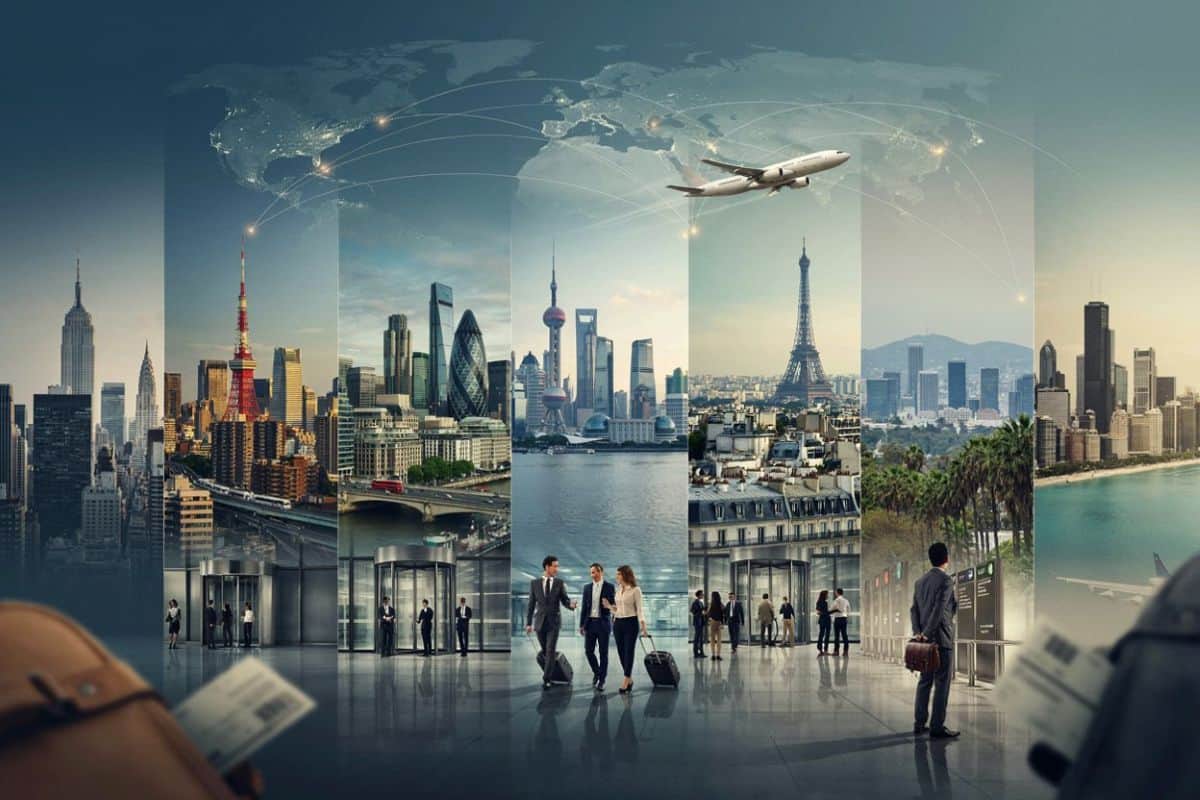
New York Adds with New Jersey and More US States Face Airport Changes as Tourism Investment and Regional Growth Gain Pace. Airport transport adjustments, infrastructure improvements and expanding regional tourism initiatives are reshaping travel across the United States. These developments highlight growing investment, changing visitor trends and opportunities for tourism businesses.
United States Tourism Sees New Travel Changes Across New York, New Jersey and Other States as airport transport adjustments, changing international visitor patterns and regional tourism initiatives reshape the industry. Developments across several destinations highlight how infrastructure, destination marketing and investment are influencing travel planning and tourism growth nationwide this October.
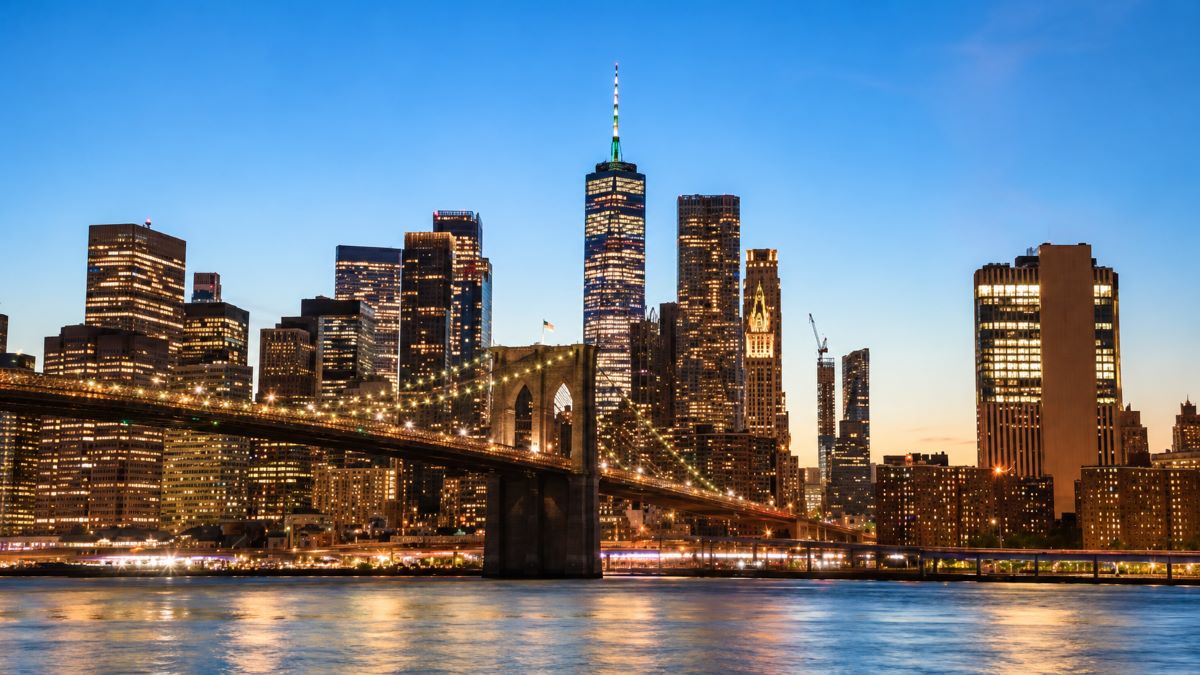
New York Airport Travel Faces Changes as JFK Redevelopment Continues
New York is preparing for another round of airport transport changes as work continues at John F. Kennedy International Airport. The Port Authority of New York and New Jersey issued an advisory on 9 October, outlining temporary AirTrain suspensions and alternative arrangements for passengers.
AirTrain JFK services are scheduled to stop overnight on 13, 14 and 15 October, between 10 pm and 6 am the following morning. Free shuttle buses will connect stations and terminals during these periods.
The changes are linked to system upgrades. They come as JFK continues its $19 billion redevelopment, which aims to modernise one of the country’s most important international aviation gateways.
Passengers travelling late at night or early in the morning should allow additional time. Those using taxis, private cars or ride-hailing services may also encounter altered pickup locations and road arrangements.
The Port Authority recommends public transport where possible, including connections through Jamaica station.
For New York’s tourism industry, reliable airport access remains essential. International visitors often depend on straightforward connections between airports, hotels, attractions and railway stations. Temporary changes can affect travel plans, particularly for passengers unfamiliar with the city.
New Jersey Travel Adjustments Affect Newark Airport and Regional Rail Services
New Jersey is also experiencing transport adjustments involving Newark Liberty International Airport and regional rail connections.
According to the Port Authority, AirTrain Newark service between P4 station and Terminal A was suspended overnight from 9 to 10 October. Free buses operated as an alternative.
Additional road restrictions are planned for 14 and 15 October, including overnight lane closures near airport access routes. These changes may affect motorists travelling to terminals, hotels and parking facilities.
Beyond the airport, passengers using PATH services are being advised to expect crowding from 12 October. The disruption is linked to changes affecting NJ TRANSIT rail customers during work associated with the Portal North Bridge project.
These developments underline the close relationship between airport infrastructure and wider regional transport networks.
For visitors, Newark is an important entry point to both New Jersey and New York City. Clear transport information can help passengers manage connections, hotel transfers and onward journeys.
Travellers should check official service notices before departure rather than assume their usual route will operate normally.
South Dakota Tourism Introduces New Digital Passport for Visitors
South Dakota is expanding its use of digital tourism tools to encourage visitors to discover accommodation and attractions beyond traditional travel routes.
On 7 October, Travel South Dakota announced its Unexpected Stays Passport, adding another digital initiative to the state’s destination marketing programme.
The development follows the Autumn Adventures Passport, announced on 29 September, which promotes more than 30 destinations and seasonal experiences.
Digital passports allow tourism organisations to bring several attractions into one visitor-friendly programme. Depending on their design, they can help travellers discover participating locations, plan journeys and explore lesser-known communities.
For smaller tourism businesses, such initiatives can improve visibility without requiring extensive individual marketing campaigns.
South Dakota’s approach also reflects the growing importance of digital engagement in regional tourism. Travellers increasingly expect accessible information before and during their journeys.
The programmes support a broader effort to promote tourism across different parts of the state, including rural destinations that may receive less attention than established attractions.
Nebraska Tourism Records $2.6 Billion Economic Impact in Omaha
Nebraska has reported encouraging tourism results, with Omaha generating an estimated $2.6 billion in total tourism-related economic activity during 2025.
The figures were announced by Visit Omaha on 1 October, based on research by Tourism Economics, an Oxford Economics company.
The study found that Omaha welcomed approximately 14.8 million visitors, representing a 0.7 per cent annual increase.
Of these visitors, 8.2 million made day trips, while 6.6 million stayed overnight. Direct visitor spending reached approximately $1.6 billion.
Food and beverage businesses received $431 million, accommodation providers generated $374 million, and retail businesses accounted for $346 million.
These figures demonstrate how tourism spending extends beyond hotels and attractions. Restaurants, shops, transport operators and other businesses also benefit from visitor activity.
Omaha’s results are particularly relevant as destinations across the United States compete for leisure travellers, conventions and business events.
However, the $2.6 billion figure represents the wider economic impact, including indirect and induced effects. It should not be confused with direct visitor spending.
For Nebraska, the findings provide evidence of tourism’s contribution to employment, local businesses and the wider economy.
Washington DC Sees Major Leadership Change in US Tourism Promotion
A significant leadership development is taking place in Washington, DC, where Brand USA has appointed Caroline Beteta as interim president and chief executive officer.
The appointment was announced on 5 October and will take effect on 9 November 2026.
Beteta previously led Visit California for nearly three decades and has extensive experience in destination marketing. She has also served as chair of Brand USA’s board and previously held its acting chief executive position.
Her appointment comes as the United States works to maintain its position in a competitive international tourism market.
Brand USA plays an important role in promoting American destinations overseas and connecting tourism organisations with international travel partners.
Its work supports destinations of different sizes, from major gateway cities to smaller communities seeking international visitors.
Leadership continuity will be important as the organisation works with airlines, tourism boards and travel businesses.
The appointment also highlights the value of experienced destination marketing professionals in managing industry partnerships and international promotional activity.
United States International Tourism Shows Mixed Visitor Trends
New federal tourism figures reveal contrasting trends in international travel to the United States.
Data released by the National Travel and Tourism Office on 5 October show that the country welcomed 6,248,242 international visitors in July 2026.
This represented a slight decline of 0.1 per cent compared with July 2025.
However, overseas visitation fell by 7 per cent, while arrivals from Canada increased by 7.6 per cent and arrivals from Mexico rose by 8 per cent.
Mexico remained the largest source market, followed by Canada, the United Kingdom, India and Japan.
These differences matter because individual destinations depend on different visitor markets.
Cities with substantial long-haul tourism activity may experience changing demand differently from destinations that attract large numbers of Canadian or Mexican travellers.
The figures also demonstrate why tourism performance cannot be measured through one national percentage alone.
Air connectivity, visitor origin, travel purpose and regional spending patterns all influence destination performance.
For tourism businesses, understanding these differences can support more focused marketing, product development and international partnerships
What These Developments Mean for the US Travel Industry
Taken together, these developments show several important priorities for American tourism.
Airport modernisation is improving long-term infrastructure, although construction can temporarily complicate passenger journeys.
Regional tourism organisations are investing in digital tools to distribute visitor interest across more destinations.
Economic research is helping communities understand the contribution of tourism spending, while national marketing leadership remains important for international competitiveness.
At the same time, changing overseas visitor numbers highlight the need for flexible destination marketing strategies.
For travellers, the immediate priority is accurate transport information. For tourism businesses, the wider challenge is delivering dependable services while adapting to changing visitor demand.
The combination of infrastructure investment, regional innovation and market analysis will continue to influence the industry’s development.
Conclusion — 50 Words
United States tourism continues to evolve as New York, New Jersey, South Dakota, Nebraska and Washington DC respond to changing travel needs. Airport improvements, digital tourism initiatives, economic growth and international marketing developments highlight opportunities across the industry. Together, these changes demonstrate the importance of accessibility, innovation and sustainable destination development.
The post New York Adds with New Jersey and More US States Face Airport Changes as Tourism Investment and Regional Growth Gain Pace appeared first on Travel And Tour World.
